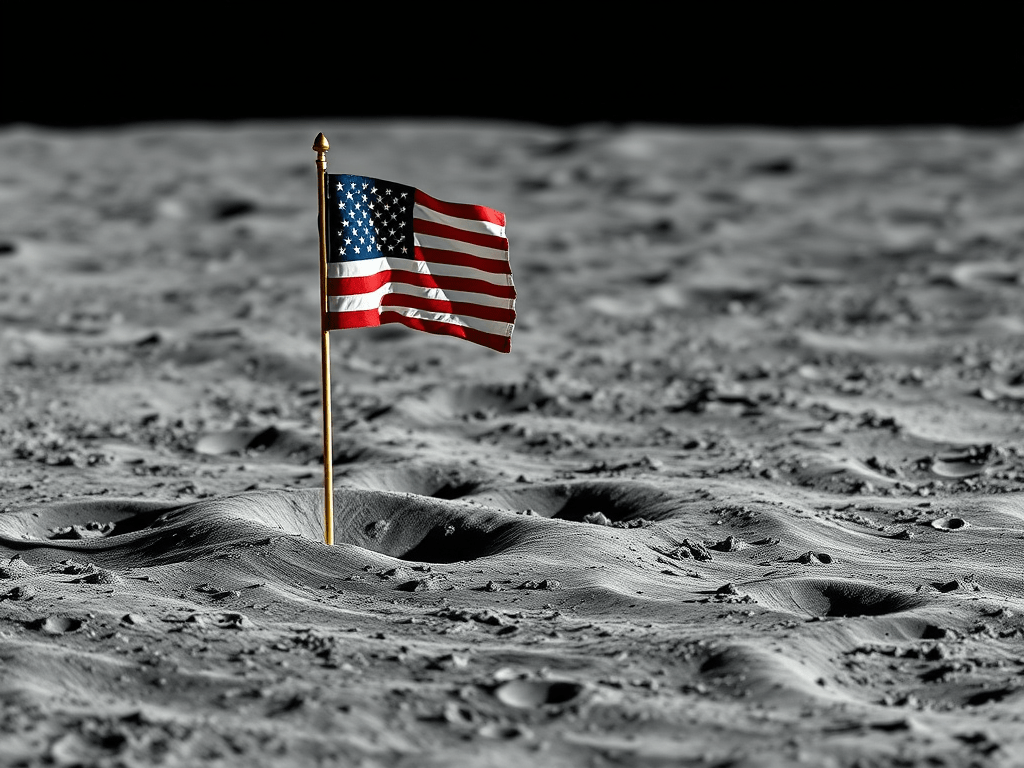
The Apollo 11 moon landing on July 20, 1969, was a historic achievement in space exploration, marking the first time humanity set foot on the Moon. Astronauts Neil Armstrong and Buzz Aldrin spent over two hours on the lunar surface, while Michael Collins orbited above. The mission, part of NASA’s Apollo program, was a major victory for the U.S. in the Cold War-era Space Race against the Soviet Union. However, controversy surrounds the event, with conspiracy theorists claiming the landing was staged due to alleged photographic anomalies, technological doubts, and distrust in the government, despite extensive evidence proving its authenticity.
According to Richard Godwin from The Guardian, the theory began as “a hunch, an intuition”, before turning into “a true conviction” – that the US lacked the technology to make it to at least, to the moon and back. But Bill Kaysing, the primary man behind the theory, had contributed to the US space programme, Albeit Tenuous between 1956 and 1963 and he was an employee of Rocketdyne, a company that helped to design the Saturn V rocket engines. In 1976, he self-published a pamphlet called We Never Went to the Moon: America’s Thirty Billion Dollar Swindle, which sought evidence for his conviction by means of grainy photocopies and ludicrous theories. Yet he established a few perennials that are kept alive to this day in Hollywood movies, Fox News documentaries, Reddit forums and YouTube channels. There were three major claims regarding the footage that made others question the moon landing’s authenticity, as stated by BBC. One claim being that the American flag that was posted on the moon, should not have been moving since there is no wind on the moon. Another claim being that there should have been stars visible in the footage. And finally, the claim that the boots of the astronauts did not match the footprints on the moon.
There were many ways for this theory to be promoted, especially in our modern age. One powerful way the “fake” moon landing idea was promoted is through pathetic methods such as emotional appeal, scary music, relatability, attractive imagery, etc. An example of this is a video posted on youtube by a famous youtuber by the name of Shane Dawson, who uses these elements mentioned before. One can access the video here. Shane Dawson was a well known youtuber especially at the time the video was posted. His popularity brings familiarity to his viewers, allowing them to be more susceptible to believing the moon landing was fake.This being a great example of persuasion methods regarding ethos. There are many other youtubers like Shane Dawson who speak about the moon landing and its suspicions who use similar methods that can convince their viewers.
Despite there being much evidence for the moon landing theory that debunks the theory, there are still many people to this day that still believe the moon landing was fake. However, those people still remain in the minority when comparing them to the amount of people that believe the moon landing was real, thanks to the efforts of those who provided evidence to the moon landing’s authenticity. Check out History News to learn more about how specific claims were debunked.


 MCO 427
Leave a comment