10:00 am: Wake up, and the first thing after waking up is to check my phone (bad habit). I scroll through Instagram and see the posts of my friends, some pages with memes.
11:30 am: Check Gmail and Outlook.
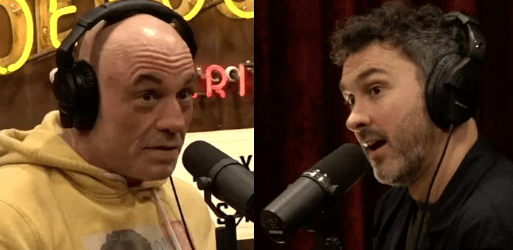

12:30 pm: I begin watching YouTube. I listen to Joe Rogan and Lila Rose. For Joe Rogan, I typically like to watch his podcasts where he discusses conspiracy theories. I like to listen to Lila Rose speak with priests about the realities of the spiritual world.
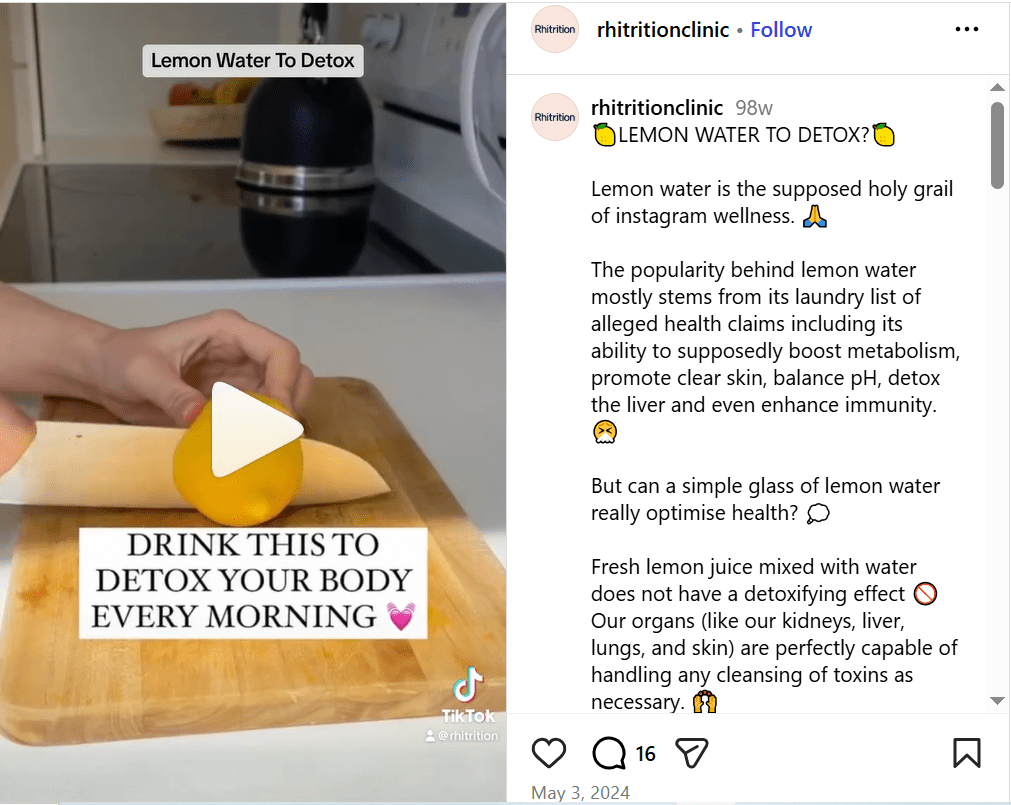
1:00 pm: Lunch break. I scroll through Instagram and find a video that talks bout how lemon water allegedly detoxes your body.

8:00 pm: I turn on Grey’s Anatomy. This show is known for being inaccurate when it comes to medical guidelines and processes.
10:30 pm: Then, before sleeping, I go back to Instagram and watch various kinds of skits. These topics include the types of people you’re friends with, movie edits, and relationship advice. (I’ve come to realize that these kinds of posts are more toxic than helpful.)
Dubious Content & Fact-Checking
The most doubtful content that I have come across was associated with health claims, conspiracy theories, and misleading statistics.
First, there was a video I came across that talks about lemon water detox. Upon fact-checking, I realised that the liver and the kidneys already do the detoxification process of the human body. As it is claimed by Harvard Health, no scientifically reliable evidence indicates that detox diets or drinks can make this process much more effective. Here’s the link to the article
https://www.health.harvard.edu/staying-healthy/the-dubious-practice-of-detox.
This implies that the Instagram post is misconstrued and simplified.
Second, a claim about TikTok supplements was also dubious. I was able to find credible information and found that the National Institutes of Health said that most of the supplements do not immediately boost immunity and should not substitute a balanced diet.
https://ods.od.nih.gov/factsheets/ImmuneFunction-HealthProfessional/
The video relied on anecdotal evidence as opposed to scientific research, which is a warning.
Third, A YouTube conspiracy video on inflation did not have credible sources. I contrasted it with the Federal Reserve and BBC News coverage, which attributes inflation to such economic uses as supply chains and interest rates.
https://www.bbc.com/news/business-12196322.
The problem was misrepresented and emotionally driven in the YouTube video.
Lastly, the X (Twitter) post regarding media not paying attention to crime was also an issue. Reversing the picture in the post showed that the picture was an older and unrelated event. It means that it was probably a deceptive post.
Reflection
In general, I perceived more controversial material than I had assumed, particularly on social networks such as Instagram and YouTube. It was evident that there was a tendency to spread most of the misinformation that is emotionally-charged, simplified, and of weak origins. The most common ones were health-related claims and political content.


 MCO 427
Leave a comment