Have you ever been on TikTok or Instagram and thought, “Did that really just happen?” If so, you’re not alone. This blog is for teens and young adults who are online and want to stay informed without being lied to.
We cannot rely on our eyes alone.
The Problem: AI can change The Nature of Reality Itself
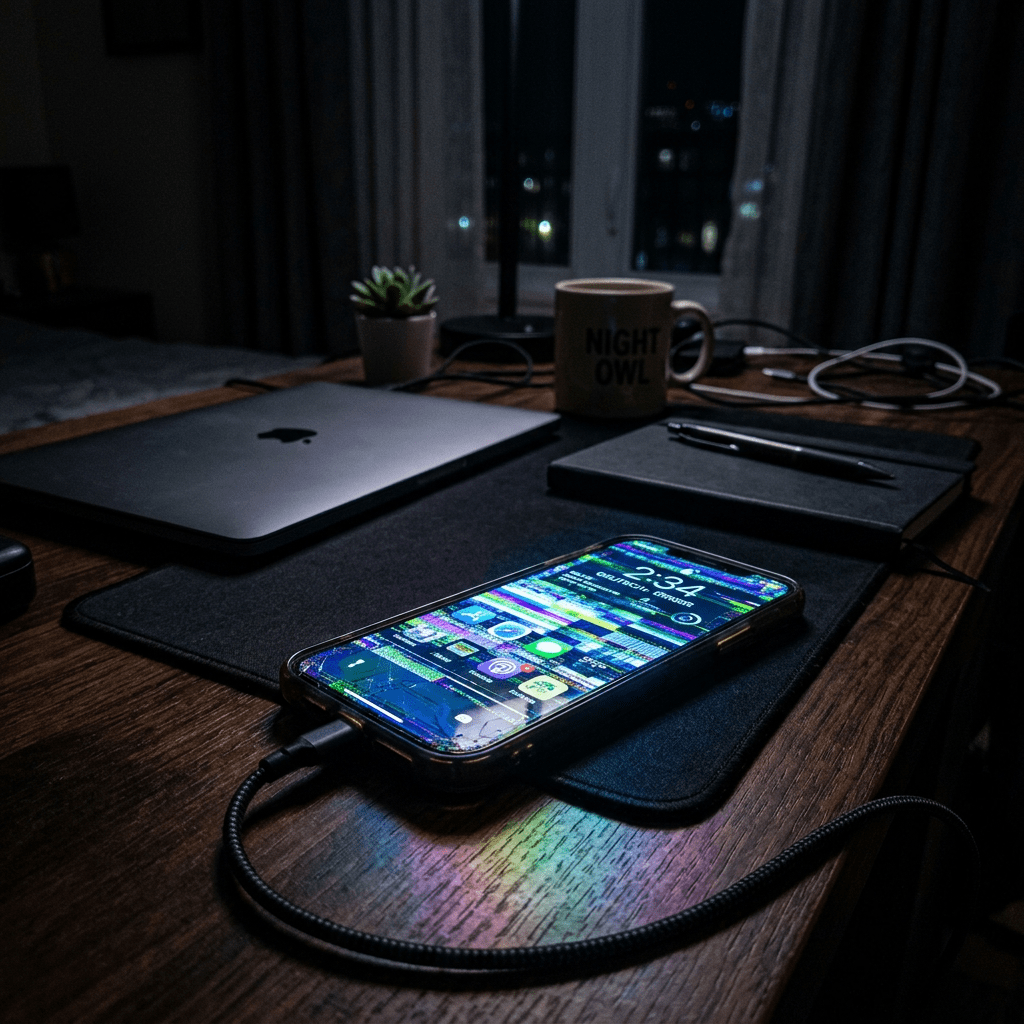
Thanks to artificial intelligence, it’s now easy to create hyper-realistic images, videos, and voices. These are sometimes called “deepfakes” or AI-generated content.
That famous clip of a celebrity ranting? That video that looks like “breaking news” showing a dramatic event?
They may all have been completely invented, for all we know.
Here are some things AI can do:
- Clone someone’s voice with only a small sample of it
- Create videos of people they never done anything like in the movie
- Generate realistic images of events that never took place.
These falsifications are deliberately designed to be viral because surprising, emotional, or funny content will always get more user interaction.
Why You Are The Target
Why you? It’s the social media platforms’ algorithms rewarding content that gets likes, shares, and comments.
Watch time. So, the more intense your reaction is, the more likely the content will be distributed to other users.
Misinformation creators know this, and it’s obvious to them. Therefore, they produce AI fakes for the purpose of stunning you.
Why are you angry? Making you laugh or feel amazed?
Since you respond almost immediately in cases, you will have less reason to question it.
Deception: You’ve been wired to trust it
Our brains can function in the mode of assumptions. These assumptions bias our thinking and are known as cognitive biases. These are some of the most intelligent exploited by AI misinformation:
- Confirmation bias: You are more likely to believe a statement that confirms your pre-existing views or beliefs
- Emotional reasoning: If it feels right to you, you are more likely to believe it
- Authority bias: You are more likely to trust a source if it is endorsed by a celebrity or an authoritative source.
There are many more, but that’s why the fakes that are generated by AI are so potent, because they combine all 3 of these.
A Scenario You’ve Likely Witnessed
It’s hard to believe, but this is a typical scenario. You’re mindlessly scrolling on social media and come across a video of a famous social media influencer saying something so wild you can barely believe your eyes. The voice seems so real. Their skin is so flawless. Even the comments are full of people reacting, debating, and voicing their opinions.
Sure, at the time you take it, because everything around you is telling you that. But what if what you’re seeing is actually completely a piece generated by AI? The voice can be cloned from the influencer’s previous videos, while the visuals can be either expertly assembled or completely fabricated. In addition, the comments, even those written by some people, are fictitious in their entirety.
Moreover, the phenomenal power of it is how rapidly and widely it is spreading. As people are emotionally stirred up, they send it to their friends, and in a few hours, it could be reaching thousands, possibly millions of viewers. Once the first individual voices a concern, the damage might have already been done on a grand scale.
Being a Master of Your Own Being
It would be good advice to pause and think for a few seconds before retweeting, sharing, or commenting on a piece of content. So, let’s see whether we can hold ourselves briefly before jumping to ride the emotions.
Hence, you should also check the origin of the message. If it’s important or big news, it will be in multiple places, multiple sources, multiple news outlets. If your video or photo only appears on one site or on one social media account, that’s a red flag.
They can also help look all the way down. While advances are constantly being made in artificial intelligence, it is far from perfect. So, sometimes you may find a double meaning or a hidden message in the movie. Could be slight discomfort in body language, a few inconsistencies in the images, or a couple of sound-related oddities. Finally, you need to consider what role you have in helping the information to continue to be disseminated. Even if you think that you aren’t going to prove anything or persuade anyone of the rightness of anything, your participation can cause greater confusion.
Why It Matters
This is not merely a question of being tricked on the internet. AI-generated fake news might influence how individuals view particular matters and shape their opinions. It can defame a person or an entity and create a panic reaction.
In the era of social media, your generation is very influential because of your use of technology. It’s no longer simply about consuming information, but also producing it, shaping it, and sharing it.
That empowers you to fight misinformation and create a more responsible digital ecosystem.
The Bigger Picture
You don’t need a tech background to know about AI-generated content. It’s enough to be aware. Knowing that what you’re reading online could have been generated by AI already makes you ahead of many other internet users.
If you approach what’s on the web with a skeptical eye, you can at least rest assured that you’re not being hustled into doing something you’ll regret. And you won’t be relying on your gut to tell you what to do; you’ll use the numbers to inform your decision.
In the end, this lesson is intended to arm you with power without sapping any of your fun on the internet. You must always be the master of your beliefs and opinions.
Reason for Choosing This Method
In the format of blog posts, I am able to talk about the matter in a young people-friendly manner. Rather than an academic register and formal language, this style of writing enables me to communicate what I need to in a more effective way.
In addition, the article’s layout is designed to fit young people’s scrolling style, like that on social media. The reader can easily follow the discussion because of the brief paragraphs, the realistic examples, and the short explanations.
Target Audience

The content of this blog is aimed at teenagers and young adults between the ages of 14 to 22. This audience is very active on social media and is heavily influenced by viral content, including AI-generated media.
I chose this demographic because individuals at this age are still developing their perceptions of the media world and the kind of information they can access online.
It will also educate how to help this target group have a longer-term relationship with information on the Internet.
Final Thoughts
It keeps asking itself when you see something on the internet that looks really off, ask yourself a few questions.
Nothing you see here is real, but if you have the right attitude, you can tell.
Scources:
Pew Research Center — Misinformation and news habits
Pew Research on Misinformation
MIT Media Lab — The Spread of True and False Information Online
MIT Media Lab Study Overview
MIT Sloan — False news spreads faster than the truth
MIT Sloan Article
UNESCO — Media and Information Literacy resources
https://www.unesco.org/en/media-information-literacy
Common Sense Media — Digital literacy and youth media use
https://www.commonsensemedia.org/research

 MCO 427
Leave a comment